what is an effective chest compression
For children compress the chest 4-5cm 30 times at a rate of 100-120 compressions per minute. Release the pressure then rapidly repeat at a rate of about 100-120 compressions a minute.

Learn How To Conduct Cpr On A Child Child Cpr First Aid Poster First Aid For Kids
Rescue breathing is delivered between chest compressions using a fixed ratio such as two breaths to 30 compressions or can be delivered asynchronously without interrupting chest compression.
. CPR hand positioning for children. Give 30 chest compressions. Effective chest compression is one of the determinants of blood flow to vital organs during CPR.
3Follow the prompts to upload the files you need to convert. Can chest compressions be too deep. High-Quality CPR Saves Lives High-quality CPR performance metrics include.
Allow chest to return to normal position after each compression. Perform chest compressions to help restore blood flow to vital organs. Use both your arm strength and the strength of your upper body to do effective chest compressions.
After 30 compressions tilt the head lift the chin and give 2 effective breaths. Its important to remember that when chest compressions are interrupted blood flow stops. Being said theres a right way and a wrong way to perform chest compressions.
In adult victims of cardiac arrest it is reasonable for rescuers to perform chest compressions at a rate of 100 to 120min and to a depth of at least 2 inches 5 cm for an average adult while avoiding excessive chest compression depths greater than 24 inches 6 cm. Interventions Participants were taught basic life support skills in one. When the heart rate remains less than 100 bpm despite PPV with 100 oxygen b After 60 seconds of PPV coordinated with chest compressions the cardiac monitor indicates a heart rate of 70 beats per minute.
Setting Four schools in Cardiff. What are effective chest compressions. If youre not certified and you arent sure how to provide rescue breaths stick to hands-only CPR.
With the hands kept in place the compressions are repeated 30 times at a rate of 100min. Theres significant emphasis on the delivery of effective chest compressions. Are delivered fast about 100 compressions per minute Care for person who is unconscious and has a blocked airway includes.
Push straight down on compress the chest at least 2 inches 5 centimeters but no more than 24 inches 6 centimeters. After the conversion is complete you will see the conversion success message and you can download your. Effective chest compressions produce blood flow during CPR To give effective chest compressions all rescuers should push hard and push fast Compress the chest at a rate of about 100 compressions per minute for all victims except newborns-.
Compression depth of at least 50 mm 2 inches in adults and at least 13 the AP dimension of the chest in infants and children. At least 2 inches. If you are currently or considering a career in the medical field a deep fundamental understanding of how to properly administer chest compressions is.
Allow the chest to recoil or return to its original shape after each press of your hands. Following 30 compressions open the airway and deliver 2 effective rescue breaths. The guidelines recommend that rescuers push hard and fast at a rate of about 100 compressions per minute for all victims except newborns.
The findings observed in the current study. When the heart rate remains less than 100 bpm after 30 seconds of PPV that moves the chest preferably through an alternative airway d. 12 rows Main outcome measure Effectiveness of chest compression during three minutes continuous chest.
After every 30 chest compressions give 2 rescue breaths. Effective chest compressions are in helping someone survive cardiac arrest. High-quality CPR involves rescuers being aware of how to deliver effective chest compressions to a victim in order to improve the chances of.
Chest compression fraction 80 Compression rate of 100-120min. Push hard at a rate of 100 to 120 compressions a minute. 100 to 120 per minute.
Effective chest compressions Are smooth regular and give straight up and down. Use your entire body weight not just your arms when doing compressions. European Resuscitation Council ERC guidelines for resuscitation recommend that CPR providers should implement at least 5 cm but not exceeding 6 cm deep chest compressions Nolan et al 2010.
Shoulders directly over hands. CPR with rescue breaths Place the heel of your hand on the centre of the persons chest then place the palm of your other hand on top and press. The proper ratio of compressions to rescue breaths ratio is 302 if you are CPR certified.
Can your heart stop for 30 minutes. For adults compress the chest to a maximum depth of 5-6cm 30 times at a rate of 100-120 compressions per minute. 1Find the correct Effective chest compressions quizlet link from the list of answers below.
Allow the chest to return to its normal position. Tilt the persons head gently and lift the. Two hands centered on the chest.
Use your body weight to firmly press at least 2 inches deep but no deeper than 24 inches at a rate of about 100 to 120 compressions per minute. Objective To determine at what age children can perform effective chest compressions for cardiopulmonary resuscitation. The key thing to keep in mind when doing chest compressions during CPR is to push fast and hard.
This is a requirement of the American Heart Association that ensures each person understand and most importantly can perform effective CPR. Participants 157 children aged 9-14 years in three school year groups ages 9-10 11-12 and 13-14. Push down 4cm for a baby or infant or 5cm a child which is approximately one-third of the chest diameter.
2Make sure you are connected to the correct website find the converter you need. Effective chest compressions are the most important component of Cardiopulmonary Resuscitation CPR. With CPR chest compressions being able to quantify the quality of the practice can lead to better retention and confidence on the part of the student.
Studies show that applying continuous chest compressions is critical for survival and interrupting them for rescue breathing might increase risk of death.
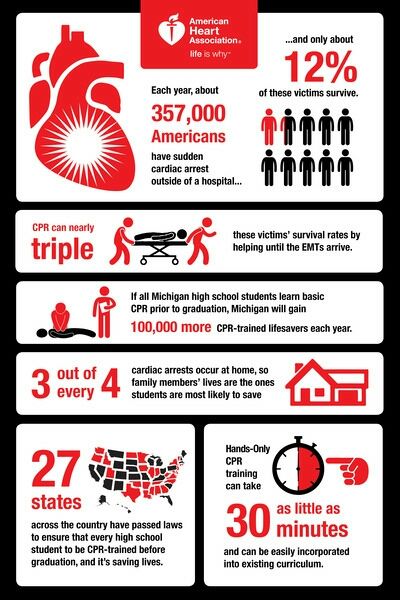
Pin On Cpr Charts

Anaesthesia Today Aha Cpr Guidelines 2010 Pediatric Nursing Nursing Mnemonics Nursing School Tips

Pin By Wholesurgical Com On Cpr First Aid Child Cpr Cpr

Continuous Chest Compression Cpr Medical Knowledge Cpr Training Cpr

Hands Only Cpr Can Increase The Chances Of Survival Of The Victim By Providing Only High Quality Chest Compression Without Interr Cpr Safety Training Learning

Facts About Cpr Cpr Training Cpr Teaching

Learn Cpr And Save A Life Read This Hands Only Cpr Guide Learn Cpr Health And Nutrition Health And Wellness

Pin On First Aid Tips

New Cpr Guidelines Time Chest Compressions To Stayin Alive By The Bee Gees Save A Life Cpr Training American Heart Association First Aid Cpr

Pin On Health Articles
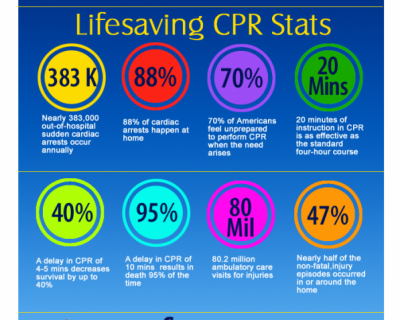
Health Infographics Only Infographic Health Cpr Training Cpr

Learn How To Save A Life Using Hands Only Cpr With These 3 Steps Cpr Cpr Training Life

The Life Saving Technique Cpr Is Quite Easy To Learn Even The General Public Should Learn Cpr So That They Can Use Saving Lives How To Perform Cpr Learn Cpr

Free First Aid Flashcards Available To Download From Firstaidforfree Com Content Based Upon Our New First Aid Pocket Guide Flashcards First Aid First Aid Tips

Pin By Jacqueline Alvarez On I Want To Learn How To First Aid For Kids American Heart Association Cpr Training

Danger Response Send For Help Airway Breathing Cpr Defibrillator Knowing The Drsabcd Action Plan Can Help You How To Plan Emergency Medical Action Plan

Hands Free Cpr Is Just As Effective As Traditional Cpr With Rescue Breathing You Should Push Down At Least 2 Inches Wh Cpr How To Perform Cpr Cardiac Event

Know It All How To Do Cpr How To Perform Cpr Reference Cards

New Cardiopulmopnary Resuscitation Cpr C A B Basic Life Support American Heart Association Emergency Response System